-
-
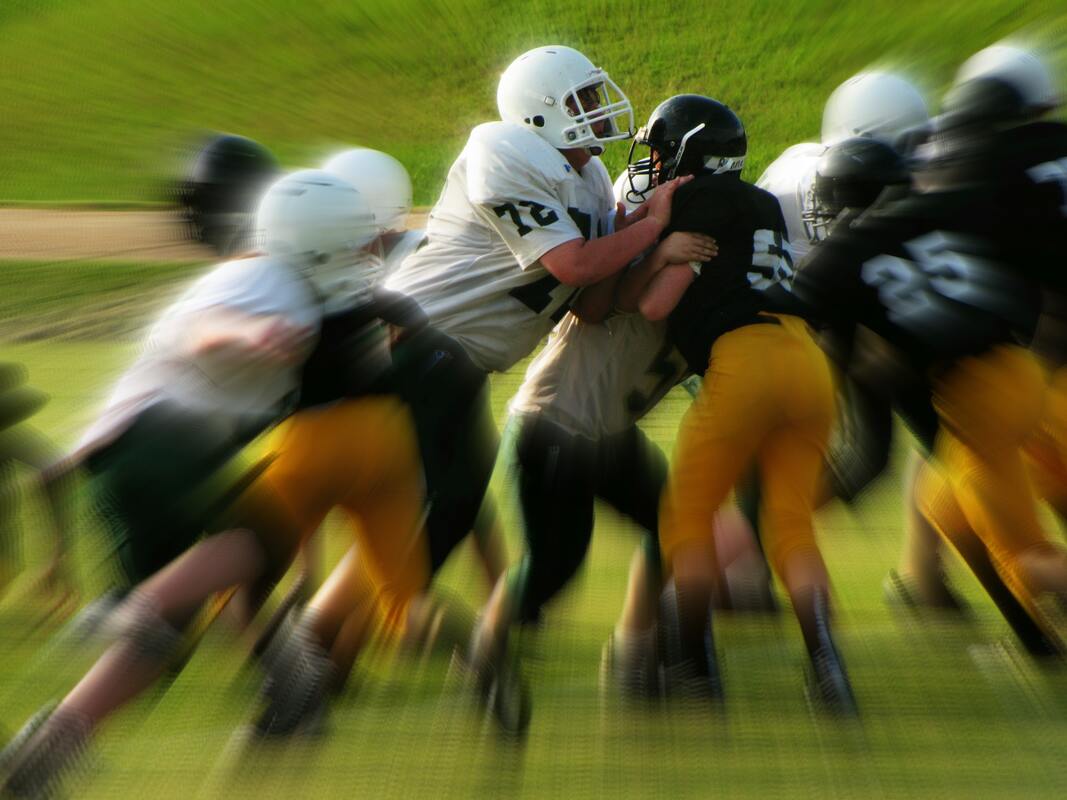 See Marin IJ 8/25/18 article by Mark C. Volain - Marin schools focus on concussions as football participation declines
What does a concussion do to the brain?
A concussion occurs when the head hits or is hit by an object, or when the brain is jarred against the skull with sufficient force to cause temporary loss of function in the higher centers of the brain. The injured person may remain conscious or lose consciousness briefly and is disoriented for some minutes after the blow.
According to the Centers for Disease Control and Prevention, approximately 300,000 people sustain mild to moderate sports-related brain injuries each year. Most of them are young men between 16 and 25 years of age.
The risk of concussion from football is extremely high, especially at the high school level. Studies show that approximately one in five players suffer concussion or more serious brain injury during their brief high-school careers. The rate at the college level is approximately one in 20. Rates for hockey players are believed to be similar.
Concussion causes the brain to be jarred against the hard skull. This leads to inflammation, swelling and sometimes bleeding in the neurons and synapses in the brain. If untreated the brain pressure can rise and lead to fatal consequences. That’s why most common symptoms are confusion, headache, blurred vision, dizziness, cognitive problems, memory loss, mood swings and sleep disturbances. The injury to brain changes with the severity and recurrence of the impacts. Especially losing consciousness should be taken very seriously.
There have been a lot of studies recently linking head trauma like concussion to future issues like dementia and CTE. How have these studies impacted your practice, be it an increase is patients, less patients, more people looking for more info, people looking into preventative measures, etc.?
I have been seeing more high school and middle school students with soccer, basketball and football head traumas. The awareness of short and long term implications of head trauma are now well known by atheletes, parents and coaches. They all are looking for safer ways of playing sports. In adults, I see a lot of car accidents or bike accidents with head trauma or whiplash injuries to head and neck region. My patients with head injuries and postconcussion syndromes are exponentially increasing. The reason they all seek medical attention is the awareness and data on CTE and potential dementia.
What do you tell athletes who have suffered a head injury?
The atheletes who suffered a head injury should immediately stop playing their sport until they are evaluated by a professional. They should only go back to playing when all of their symptoms resolve. If they return earlier, their recovery will be delayed and they may be left with long term complications. On top if it, every additional head injury will cause further damage and delayed recovery. Therefore I recommend to be seen by a trained professional as soon as the injury occurs. Depending on the injury the atheletes may need brain scan, neuropsychological evaluation and treatment.
How do you feel about protocols that many schools have in place for dealing with head injuries and when they're able to return to both learning and competing athletically?
Many high schools and colleges now have initial impact or concussion evaluations before the students start playing their sports. I reviewed some and they are comprehensive. I feel strongly that this should be a country wide protocol in every school and concussion tests should be given annually to the students/athletes with no injuries and after every head injury. All atheletes, coaches and volunteering parents should take courses and get knowledgeable about the head injury protocols. The atheletes should only return to sports when they are fully recovered. The students should be allowed to home school and take their tests with accommodations till they fully recover.
Anything else you'd like to share in regards to athletics-based head injuries?
All athletes professional or school/college level should be given comprehensive courses regarding concussion. They should learn about signs and symptoms of concussion, post concussion syndrome and second impact syndrome. If they are aware of the symptoms then they will recognize them faster and take logical action themselves. It should be a mandatory training at schools to educate the students at every level. They should reach out to their primary care doctors with any questions if coaches or schools are not attentive to them. -
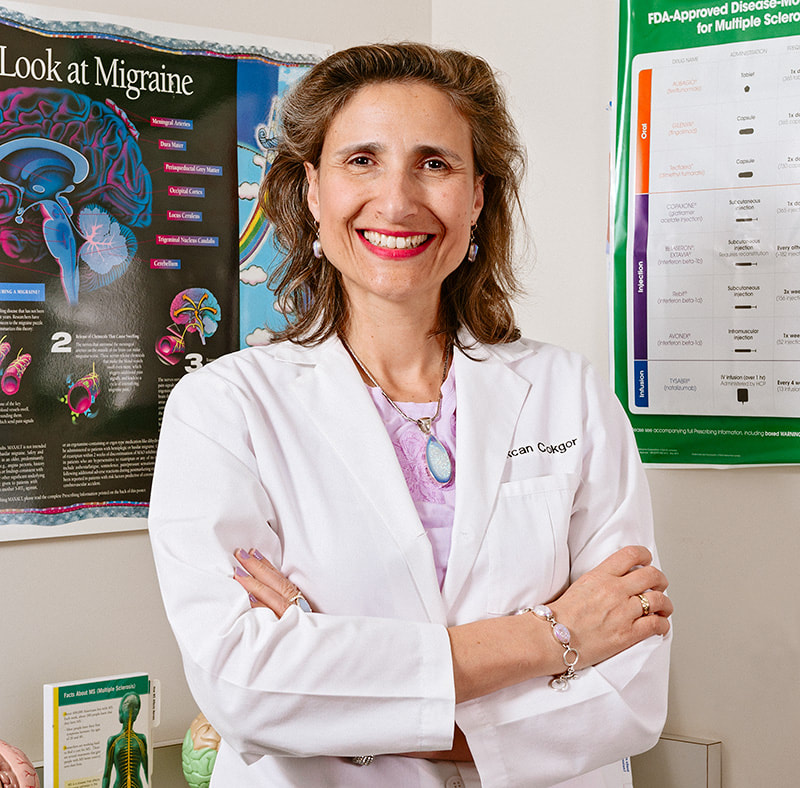 In this video, Dr. Cokgor discusses the causes, signs and treatment options for stroke.
 -
Click the image to watch the video
We’ve all had mornings when it was tough to function because of a poor night’s sleep. But when those poor nights of sleep happen repeatedly, it can create serious health problems for us. Why sleep is so critical to good health is the theme of my newsletter this month.
The information in this blog post will help you understand why sleep matters and how you can get the most benefit from your shuteye.
Please take a look at the video below, and if you have any questions or you want to know more about sleep and your health, please don’t hesitate to contact my office. -
 We are excited to share the new publication below. This study provides Class 1 evidence that for patients with migraine, gammaCore (non-invasive Vagus Nerve Stimulator) significantly increases the probability of having mild pain or being pain-free 2 hours post stimulation.
Follow the link below to review the published paper.
Contact the Neurology Clinic of Marin for an appointment! -
 Marin General Hospital has received the American Heart Association/American Stroke Association’s Get With The Guidelines®-Stroke Gold Plus Quality Achievement Award. The award recognizes the hospital’s commitment to ensuring stroke patients receive the most appropriate treatment according to nationally recognized, research-based guidelines based on the latest scientific evidence.
Marin General Hospital earned the award by meeting specific quality achievement measures for the diagnosis and treatment of stroke patients at a set level for a designated period. These measures include evaluation of the proper use of medications and other stroke treatments aligned with the most up-to-date, evidence-based guidelines with the goal of speeding recovery and reducing death and disability for stroke patients. Before discharge, patients should also receive education on managing their health, get a follow-up visit scheduled, as well as other care transition interventions.
Dr. Ilkcan Cokgor has been the Stroke Director at Maring General Hospital and is proud to share this great news with you.
